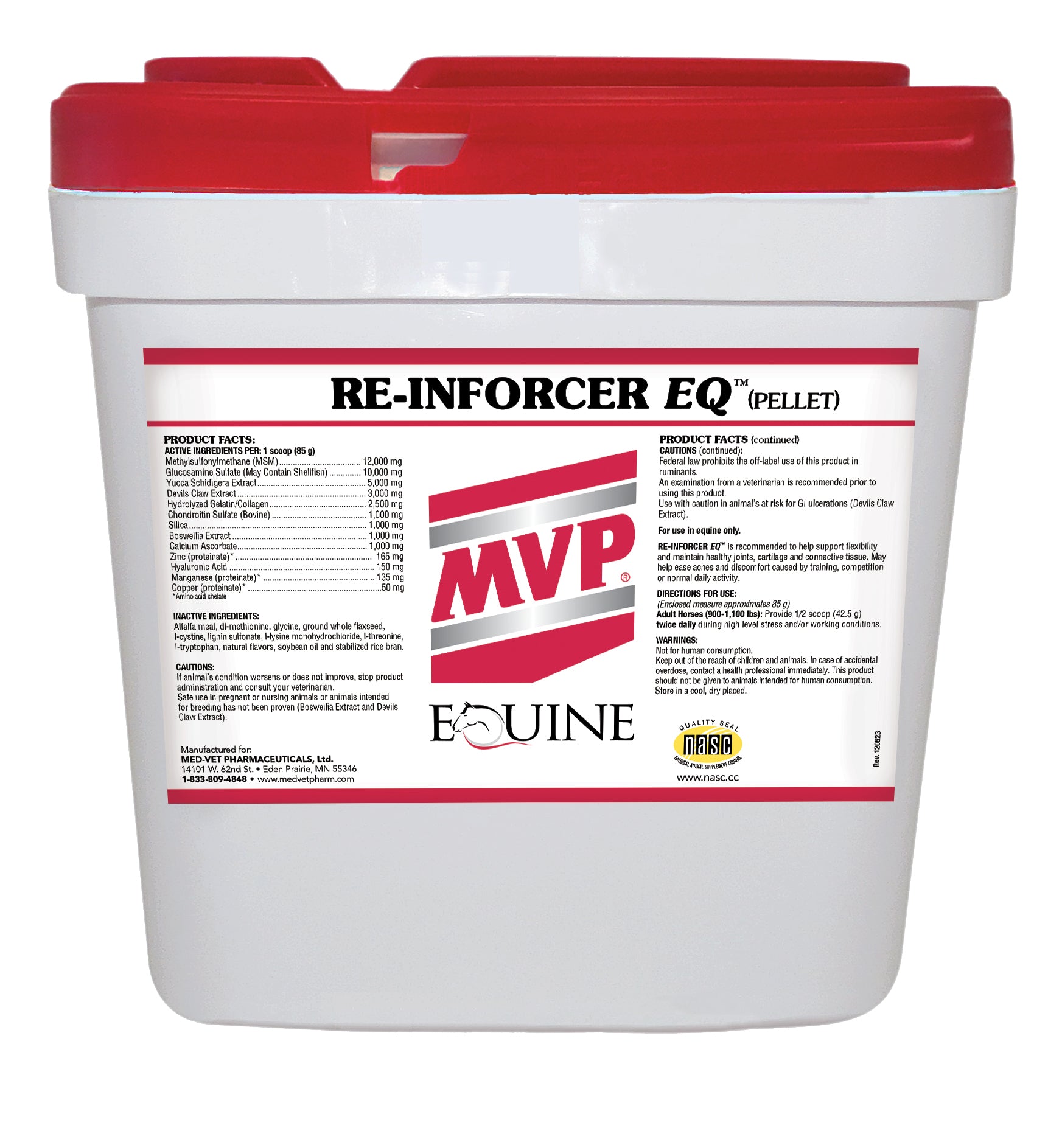
Glucosamine is the building block of chondroitin sulfate, a specific type of polysulfide glycosaminoglycan (GAG), a small but complex molecule that plays an important role in the production and protection of joints. Glucosamine plays multiple roles within joint function and health. It helps increase the production of new GAGs and therefore new cartilage, has also been shown to help inhibit free radicals and enzymes that break down cartilage.
Hyaluronic Acid (HA) helps support healthy cartilage and joint fluid. Hyaluronic acid is what makes joint fluid "sticky" because it is known to protect cells in the joint, HA is especially useful during periods of high-level joint stress.
MSM: (Methylsulfonylmethane) Assists body to produce its own internal antioxidants which helps support natural inflammatory response by providing protection against oxidative stress. It is a great source of sulfur, which plays an important role in maintaining the health of collagen, cartilage, hooves, hair and joint fluid.
Collagen is the main structural protein found in the connective tissues of the body (skin, bones, cartilage, tendons, and ligaments). Hydrolyzed collagen protein (gelatin) is a modified form that has been broken down into smaller pieces making it easier to digest and absorb. Collagen and gelatin help support joint health, nourish bones and the tendons/ligaments surrounding them.
Chondroitin Sulfate works synergistically with glucosamine in the production of new cartilage and inhibits the effects of various enzymes that breakdown cartilage. It also helps to support a natural inflammatory response lending to overall joint health and comfort.
Silica is the second most plentiful element on earth, yet horses may not receive adequate levels from their diets because not all forms of silica are bioavailable and it is easily destroyed in processing. Silica supports normal bone growth and density, helps maintain healthy connective tissue such as tendons and ligaments. Silica is required in cartilage formation and helps support the health of skin, hair and hooves.
Yucca is an herb native to North and Central America used by ancient and modern civilizations to address musculoskeletal discomfort. Active ingredients have been isolated from Yucca that have shown to have antioxidant properties to help support natural inflammatory response.
Devil’s Claw is a South African herb that is used for discomfort in bone, joints, and other tissues. Data from 14 clinical trials in people conducted over the last 40 years suggest Devil’s Claw has beneficial properties in the musculoskeletal system. Because it contains “bitters” as an active ingredient, which encourages appetite but also stimulates the secretion of stomach acids, it should be used with caution in those at risk for gastric (stomach) upset. It is also recommended to check competition rulings before using products containing Devil’s Claw.
Boswellia comes from the same resin of trees that produce frankincense. It contains naturally occurring compounds that are said to interfere with the enzymes that contribute to inflammation and discomfort.
Ester-C® (calcium ascorbate) is a unique patented ascorbate complex bound with calcium carbonate. Ester- C® is naturally processed in purified water without the use of alcohol or acetone solvents. This makes Ester-C® a more readily available, readily absorbed form of vitamin C. Vitamin C is an antioxidant that helps protect the tissues of the body and also important in the production of connective tissues like tendons and ligaments. Ester-C® has up to 4X more metabolic activity than standard vitamin C (ascorbic acid).
Zinc (Zn) is a micromineral involved in over 100 enzyme systems ranging from support of connective tissue formation and antioxidants to carbohydrate metabolism and immune system function. It is most recognized for its role in healthy skin and hooves.
Manganese is a micromineral that aids in bone formation, growth and reproduction. It also supports carbohydrate and fat metabolism. Supplementation should be considered because not all diets provide the same levels of manganese. It plays an important role in young growing horses as well as active performance horses.
Copper (Cu) is a micromineral that aids in the production of normal connective tissues including tendons, ligaments, cartilage and bone. As a component of many enzyme systems, it is also involved in making iron available to the body for blood, in producing skin and coat pigments, in proper nerve signaling and in repairing antioxidants.