
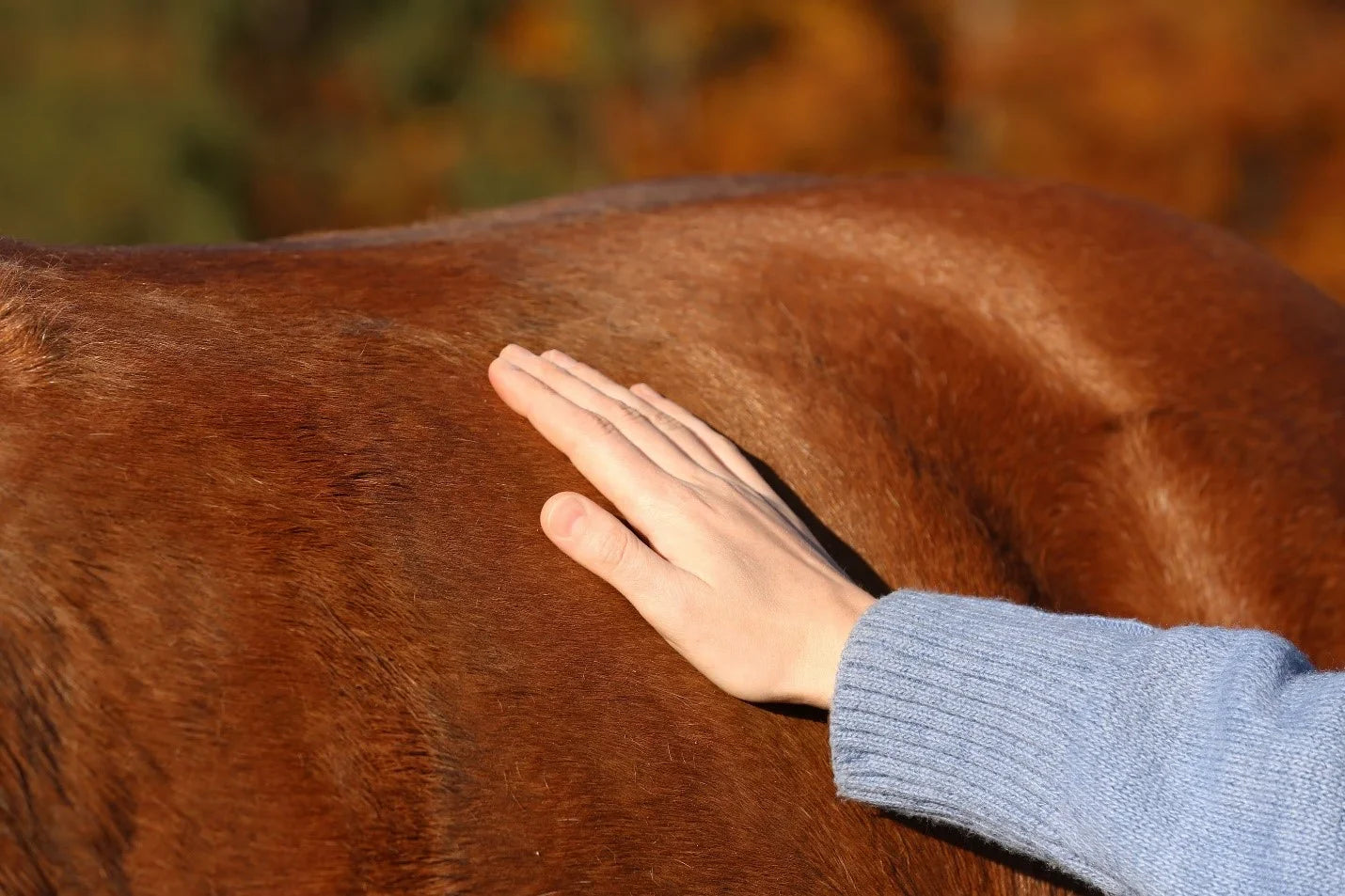
Key Takeaways Building topline in horses requires high-quality protein sources like soybean meal and alfalfa plus progressive exercise over 8-12 weeks. A diet that focuses on muscle development should include lysine, vitamin E, amino acids, and magnesium to promote optimal recovery. The best feed for a horse topline combines alfalfa forage with concentrates containing balanced[…]
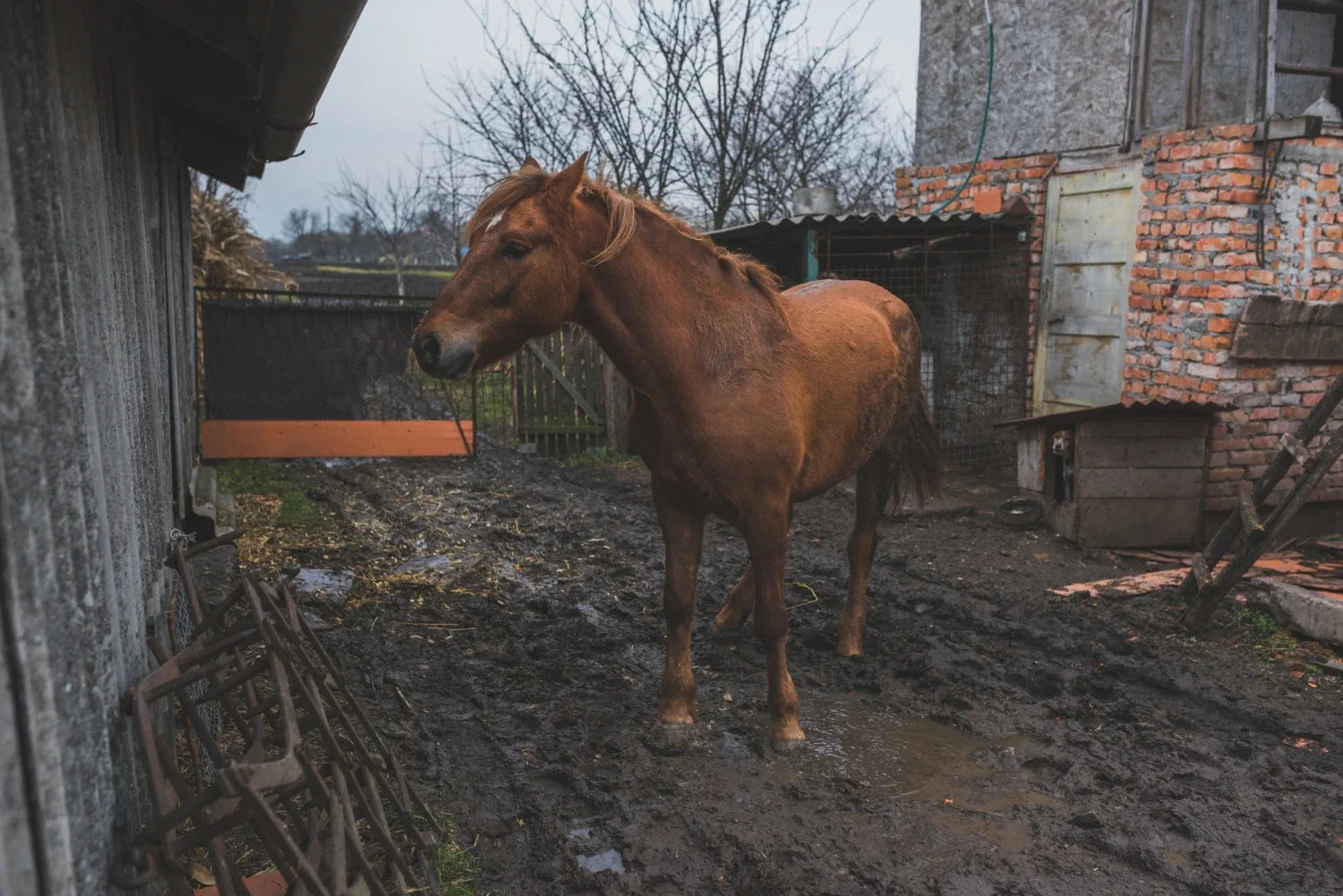
Rain Rot in Horses: Causes, Treatment, Prevention & Skin Support
TL;DR Rain rot in horses is a bacterial skin infection caused by Dermatophilus congolensis, triggered when prolonged moisture compromises the skin's natural barrier. Key risk factors include wet environments, minor skin injuries from insect bites or tack friction, poor grooming hygiene, and reduced immune resilience. Signs include raised crusty scabs, hair tufts with a distinctive[…]

Feeding Horses with Heaves (Equine Asthma): A Complete Guide to Diet and Management
TL;DR Feeding horses with heaves requires dust-free forage like steamed hay or alfalfa pellets. This reduces dust particles by 97%. A diet for a horse with heaves usually emphasizes omega-3 fatty acids (DHA) that help promote a normal inflammatory response. The best feed for horses with heaves includes complete feed or soaked hay fed at[…]

Horse Body Condition Scoring: Know How to Evaluate
A horse's health goes beyond appearance—understanding a horse’s Body Condition Score (BCS) helps ensure proper weight and overall well-being. Developed through the Henneke System, BCS rates fat accumulation in specific areas of the horse, ranging from 1 (poor/emaciated) to 9 (extremely fat). Proper evaluation enables timely adjustments in care, including nutrition changes like adding beet[…]

Laminitis in Horses: Symptoms, Causes, Risks & Treatment
TL;DR Laminitis in horses is a painful inflammation of the hoof that can make walking difficult. It is commonly caused by overgrazing, sudden diet changes, metabolic or hormonal disorders, hard work on tough ground, poor hoof care, and severe illness or infection. Common symptoms include shifted stance, reluctance to move, strong pastern pulse, warm hooves,[…]

Understanding Kissing Spines
One big reason why horses might have back pain is because of overriding (or impinging) dorsal spinous processes” or “spinous process impingement”, also called "Kissing Spines.” It is a condition where certain parts of the horse's spine overlap or touch each other, causing discomfort and problems with how the horse behaves and performs. Equine caretakers[…]

How to Buy the Right Supplement for Your Horse?
Proper mineral nutrition is crucial for determining the health of your horse. But how can you ensure your horse receives everything in the required amounts? Ensuring they receive all the essential nutrients through hay and grain alone can be challenging, especially for equine athletes who burn significant energy and sweat daily. Many horses rely solely[…]

Choosing the Right Horse Feed: A Complete Guide to Equine Nutrition
Feeding your horse is not just a regular task—it's necessary for your equine companion's overall health and well-being. From maintaining a shiny coat to ensuring strong hooves and sustained energy, proper nutrition plays a huge role. With many feed options available, choosing the best horse feed suitable for your horse's specific needs can be daunting. […]

Tying Up in Horses: Causes, Symptoms & Management
Horses are extraordinary athletes, graceful companions, and for many in the United States, valued partners in work and sport. Yet, despite their strength, these animals are susceptible to various muscle disorders. One such common condition is tying up. For horse owners, trainers, and caretakers, understanding this distressing syndrome can mean the difference between a happy,[…]
