Key Takeaways
-
Building topline in horses requires high-quality protein sources like soybean meal and alfalfa plus progressive exercise over 8-12 weeks.
-
A diet that focuses on muscle development should include lysine, vitamin E, amino acids, and magnesium to promote optimal recovery.
-
The best feed for a horse topline combines alfalfa forage with concentrates containing balanced amino acids.
-
Muscle development in horses needs consistent nutrition and core strengthening through regular exercise and training.
Building a Healthy Topline in Horses
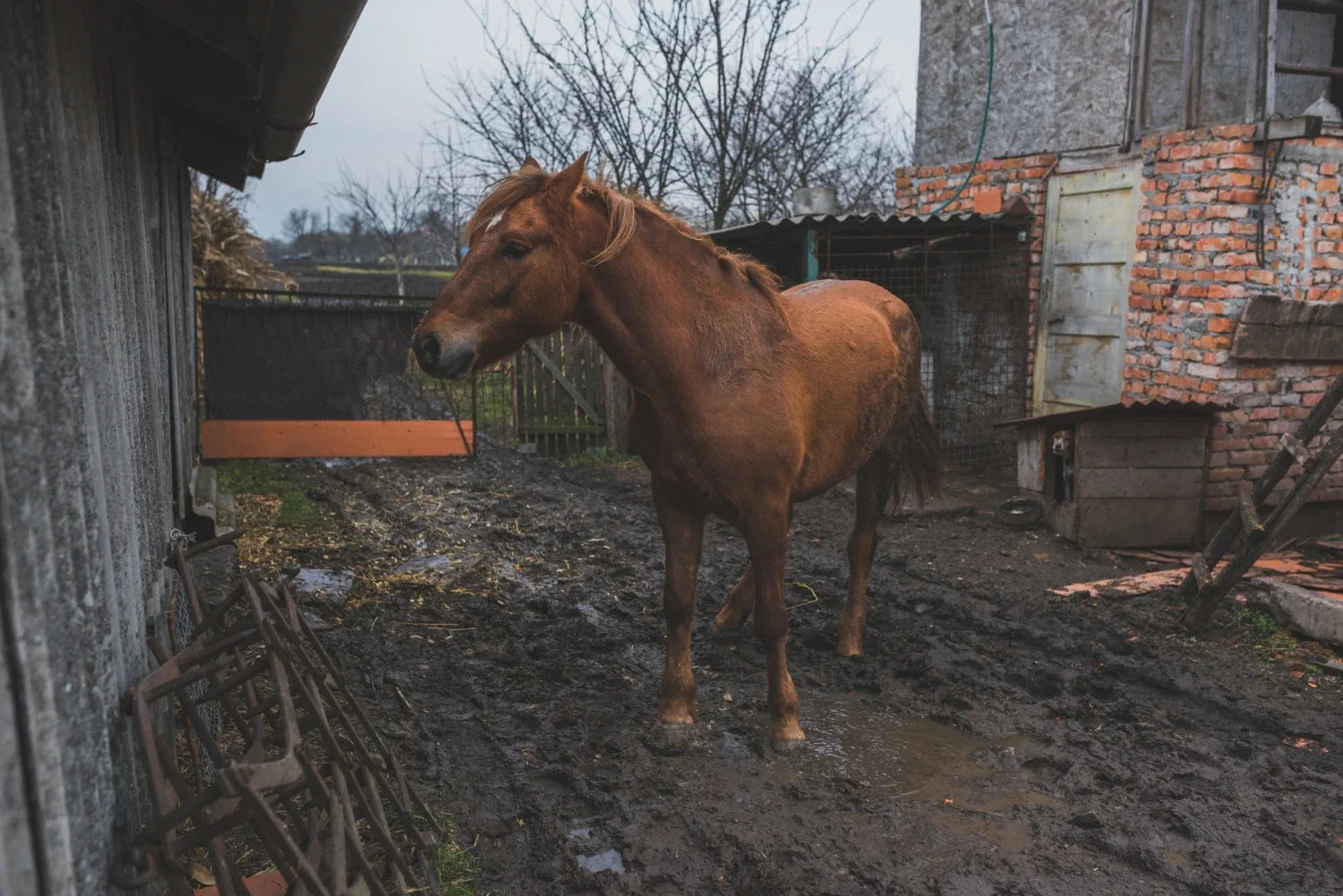
During training, many owners notice their horses displaying a concave back and prominent spine, which are common signs of physical tension and underdeveloped muscle. These issues are often dismissed as natural conformation, but in many cases, they indicate unrealized potential.
With deliberate management choices, that same back can develop into a strong, well-muscled topline from withers to hindquarters.
With more than 40 years of experience, Med Vet Pharmaceuticals formulates equine supplements that optimize nutrient delivery and support muscle development. This guide explains how to build topline in horses through lysine-rich feeds, targeted conditioning exercises, and effective supplementation.
What Creates a Strong Horse Topline?
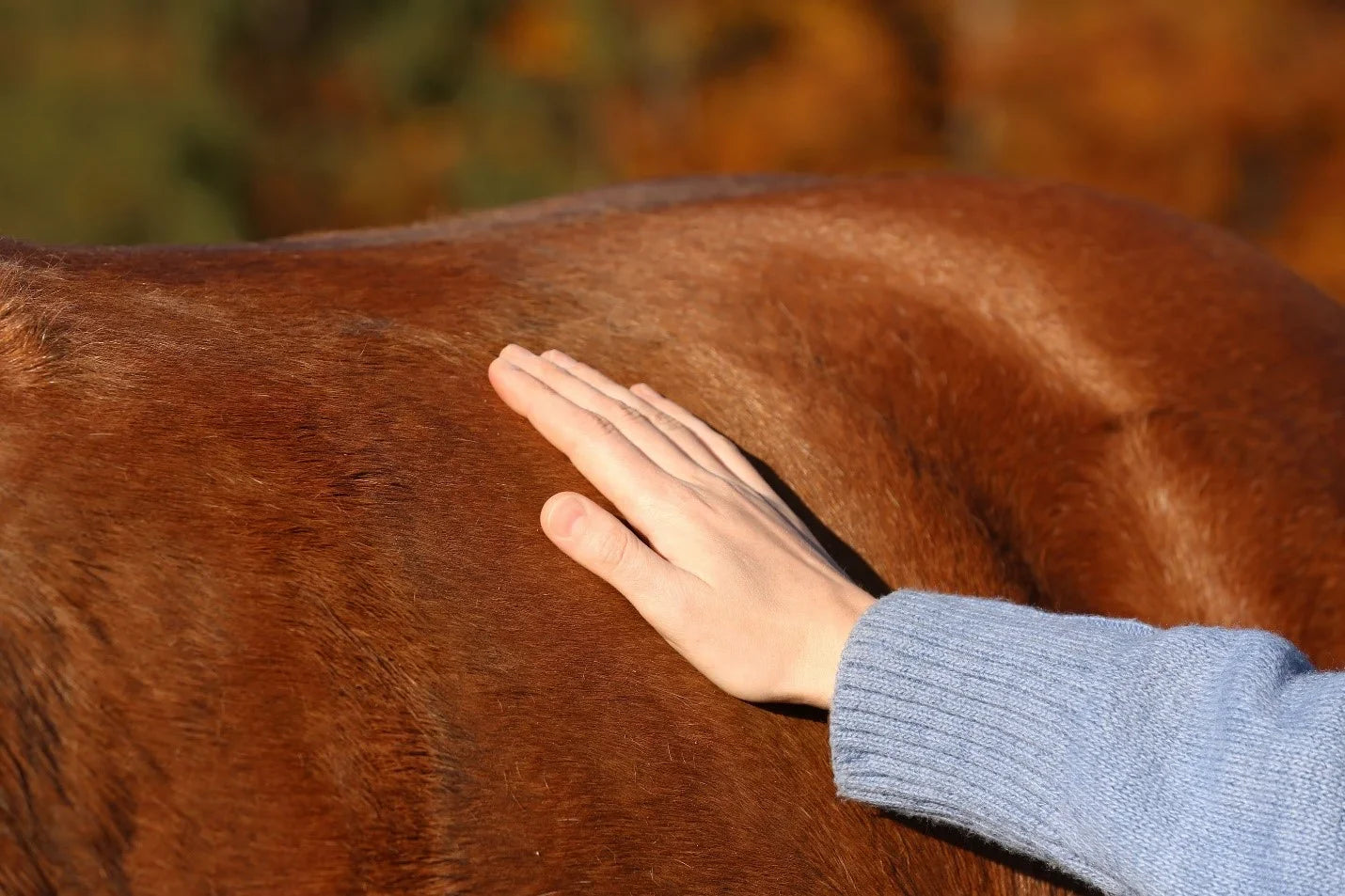
The topline is the series of muscles along a horse’s back, from the withers to the pelvis. These help carry weight and power movement. When these muscles are weak, the back may look hollow, the spine more pronounced, and the hindquarters less engaged.
Many horses struggle to build topline due to inadequate lysine intake, low Vitamin E levels, or training programs that fail to engage the core correctly. When nutrition and exercise are properly aligned, visible improvements in topline can be achieved within 8 to 12 weeks.
You can assess topline quality through these checkpoints:
-
Withers fill: Hand should not easily slide between spinous processes
-
Loin coupling: Smooth muscle transition from rear to hind limbs
-
Hindquarter development: One rounded gluteal muscle for propulsion
Essential Nutrition for Topline Building in Horses
A horse's diet for muscle needs 8-12% protein, balancing crude protein and essential amino acids. The demand gets higher for lactating, growing, or heavily exercising horses.
Key Supplements Supporting Topline Development
Equine supplements focus on addressing nutritional deficiencies and building topline in horses.
|
Nutrient |
Scientific Support |
|
Protein/Amino Acids |
Improved muscle mass and amino acid balance support muscle development in horses, including topline regions. |
|
Vitamin E & Selenium |
Act as antioxidants protecting muscle, with deficiencies linked to myopathy and muscle damage. |
|
Magnesium |
Essential for nerve signalling and muscle function; deficiency affects muscle and metabolic health. |
|
Omega-3 Fatty Acids |
Dietary n-3 FAs influence oxidative stress and inflammatory markers, which may support recovery. |
Amino Acids for Topline Building
Amino acids can support topline building in horses in the following ways:
|
Amino Acid |
Role |
Best Feed for Horse Topline Sources |
|
Lysine |
Primary muscle building block |
Soybean meal (44-48% protein), canola meal |
|
Methionine |
Sulfur-containing protein synthesis |
Soybean meal, whey protein |
|
Threonine |
Muscle repair support |
Alfalfa hay, legume forages |
Training Exercises for Muscle Development in Horses
Topline building in horses requires progressive overload within an 8-week period. Exercises for bodybuilding serve as the foundation for obtaining obvious development in the back muscles.
Effective Movements
-
Hill work: Uphill trots (15-20 min, 3x/week)
-
Transitions: Walk-trot-canter every 10 strides
-
Lateral work: Shoulder-in, haunches-in (2x/week)
-
Poles: 2-3' cavalletti for coordination
8-week Progression
-
Weeks 1-2: Long/low work (20-30 min, 4-5x/week)
-
Weeks 3-4: Add transitions + hills (3x/week)
-
Weeks 5-6: Lateral work (2x/week)
-
Weeks 7-8: Peak intensity + poles
Always seek guidance from an equine nutritionist or a veterinarian before altering your horse's diet or adding new exercises.
Common Mistakes That Stall Topline Building for Horses
Even experienced horse owners can encounter challenges that slow or prevent topline development. Some of the most common mistakes include:
-
Overworking without proper nutrition: Exercising a horse too intensely without enough protein, calories, or essential nutrients may cause muscle breakdown to outpace growth, resulting in fatigue rather than a stronger topline.
-
Low lysine intake: A grass-only hay diet may provide sufficient calories but often falls short on lysine, which is not enough for optimal muscle building.
-
Ineffective training routines: Building a strong topline requires structured, progressive overload. Irregular or overly intense training without proper progression limits muscle adaptation and growth.
-
Compromised gut health: Poor digestion can interfere with protein absorption, reducing the effectiveness of a high-quality diet and slowing topline gains.
-
Vitamin E deficiency: Horses kept in stalls without regular pasture access may lack sufficient Vitamin E. This vitamin is very important for muscle health and overall performance.
Final Thoughts
Building topline in horses can enhance a horse’s athletic ability, movement, and overall appearance when nutrition, training, and digestive support are combined. Noticeable muscle development in horses can often be achieved through a combination of lysine-rich feeds, exercises targeting the key muscles, and proper recovery strategies.
Without supporting gut health, even the best diet for muscle building may fall short. With over 40 years of expertise, Med Vet Pharmaceuticals is dedicated to crafting high-quality equine supplements that help support nutrition and digestive health, empowering horse owners to achieve their horse’s best topline!
Support your horse’s muscle development with science-backed equine supplements designed to maximize protein utilization, recovery, and digestive health.
Explore our full range of equine supplements today, or reach out to our team for personalized guidance on building the ideal topline nutrition program. Visit medvetpharm.com or call 833-809-4848 to get started.
FAQs
Q1. How quickly does building a topline in horses produce results?
Ans. Muscle development in horses is visible within 8-12 weeks with a proper diet for muscle and progressive training.
Q2. What constitutes the best feed for horses' topline?
Ans. Soybean meal and alfalfa together provide optimal topline building for horses' nutrition. There are several ‘soy-free’ alternatives if you horse has sensitivities, often using combinations of: Alfalfa, beet pulp, flax and/or rice bran.
Q3. Why won't my horse develop a topline with regular work?
Ans. It is usually due to lysine deficiency, Vitamin E deficiency, or absorption issues, requiring equine supplements.
Do equine supplements speed topline building for horses?
Ans. Amino acids, antioxidants, and digestive support significantly help improve muscle development in horses.
Q4. Can supplements alone build a horse’s topline?
Ans. No. Supplements support muscle health, but true top-line development requires proper exercise, adequate protein intake, consistent training, and balanced nutrition.
Q5. What type of exercise helps build topline muscles?
Ans. Exercises that encourage correct posture and engagement, such as hill work, transitions, pole work, long-and-low stretching, and consistent conditioning, are most effective for building topline.