
Just like humans, horses can develop allergies when their immune system overreacts to otherwise harmless substances in their environment. Common triggers include pollen, dust, mold spores, insect bites, and, less commonly, certain feed ingredients. Allergies can affect a horse's respiratory health, skin, comfort, and overall performance. While some horses experience seasonal challenges, others may struggle with recurring symptoms throughout the year. Identifying potential triggers, minimizing exposure, and providing targeted nutritional support for healthy immune and respiratory function can all play a role in your horse's overall wellness.
Common Triggers of Equine Allergies
Seasonal Allergens
Pollen from trees, grasses, and weeds can trigger seasonal respiratory and skin sensitivities.
Dust & Mold
Airborne particles from hay, bedding, and riding arenas can contribute to respiratory irritation.
Insect Bites
Sensitivity to insect saliva can lead to intense itching, skin irritation, and hair loss, commonly associated with sweet itch.
Feed & Contact Allergens
Certain feed ingredients, grooming products, and other substances may trigger sensitivities in some horses.

Is Your Horse Showing Signs of Allergies?
• Coughing and nasal discharge
• Increased respiratory effort
• Reduced stamina and exercise tolerance
• Excessive itching, rubbing, or hair loss
• Hives and skin irritation
• Watery or irritated eyes
Symptoms may be seasonal or persist year-round, depending on the underlying trigger. Consult your veterinarian to help identify the cause and determine appropriate care.
How to Manage Allergies in Horses
Managing equine allergies starts with identifying potential triggers and minimizing exposure. Environmental management, veterinary care, and targeted nutrition can help support your horse's overall health and comfort.
-
Reduce airborne irritants
Minimize exposure to dust, mold, and pollen through proper ventilation, low-dust bedding, and forage management.
-
Limit insect exposure
Use fly sheets, masks, repellents, and other appropriate insect control measures.
-
Monitor seasonal changes
Track symptoms over time to identify patterns as environmental conditions change.
-
Provide nutritional support
Consider nutrients that support healthy respiratory function, normal immune function, and antioxidant defenses.
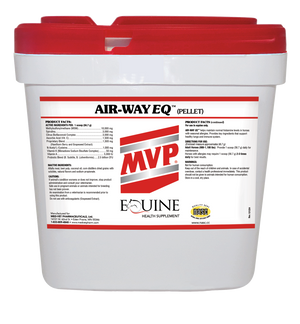
Air-Way EQTM (Pellets)
Breathe O2 Paste
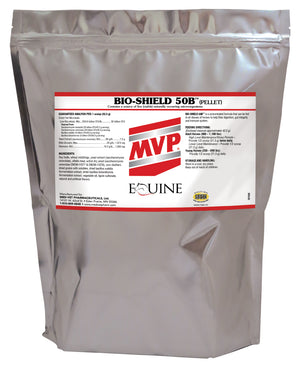
Bio-Shield 50B™

Natural E 5,000™
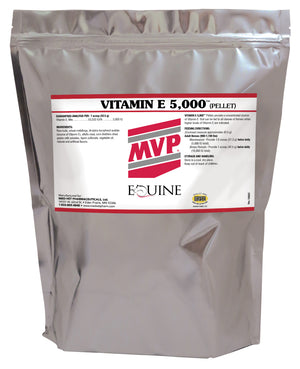
Vitamin E 5,000™
Key Nutrients for Respiratory & Immune Health
Targeted nutrients can help support the body's natural defenses, maintain healthy respiratory tissues, and provide antioxidant protection during periods of environmental stress.
MSM
A sulfur-containing compound that supports the body's natural inflammatory response and antioxidant defenses.
Spirulina
A nutrient-rich blue-green algae containing naturally occurring antioxidants and bioactive compounds that support normal immune function.
Citrus Bioflavonoids
Plant-derived compounds with antioxidant properties that help support cellular health and the body's natural defenses against oxidative stress.
N-Acetyl L-Cysteine (NAC)
A precursor to glutathione, an important antioxidant within the body. NAC helps support cellular antioxidant defenses and normal respiratory mucus clearance.
MVP Assures Quality, Potency, & Purity with the NASC Seal of Approval
For over 40 years, MVP has been dedicated to providing targeted nutritional solutions that support the health, wellness, and performance of horses.