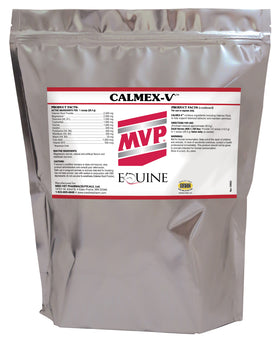
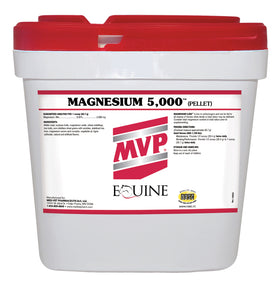
Magnesium (Mg) is a macro mineral that is frequently recommended for a wide range of equine health conditions. Magnesium helps to maintain normal muscle and nerve function, a healthy heart, healthy immune system and strong bones. Magnesium aids to regulate blood sugar levels, promotes normal blood pressure, and known to be involved in energy metabolism and protein synthesis. Since a symptom of magnesium deficiency is agitation or anxiety, it is included in many calming supplements.
The Vitamin B family is made up of several compounds that support many important roles in the body: protein, fat and carbohydrate metabolism; energy production; proper nerve cell transmission, reproduction, and division (especially rapidly dividing ones such as red blood cells). B vitamins include thiamine (B1), riboflavin (B2), niacin (B3), pantothenic acid (B5), pyridoxine (B6), folic acid (B9), cyanocobalamin (B12), choline, biotin, inositol and others are sometimes referred to as B-vitamins. For most of the B-vitamins, microorganisms in the large intestine make all the horse needs. Only thiamine and riboflavin have NRC dietary requirements. However, research suggests B-vitamin supplementation may be beneficial to horses with little access to fresh pasture and/or during any periods of stress (training, injury, travel, etc.)
Thiamine (Vitamin B1) plays a role in supporting carbohydrate metabolism and normal muscle and nerve function. Thiamine supplementation has been shown to have a calming effect in horses displaying anxious/nervous behavior as a result thiamine deficiency and/or increased requirements.
Tryptophan is an amino acid, converted by the body into serotonin, melatonin, and other hormones that transmit nerve signals in the brain. Serotonin is the neurotransmitter in the horse’s brain that helps promote feelings of well-being/contentment as well as balanced behavior.
Taurine is an amino acid found in high concentrations in electrically active tissues such as the brain, heart, retina and muscle. It stabilizes membranes and assists in the movement of electrolytes in and out of cells, which is critical for proper nervous system and muscle health. Taurine is necessary for the absorption of fats and vitamins and helps support normal insulin and glucose levels. It can be found in supplements for growing horses, nervous horses and horses with metabolic issues.
Inositol is closely related to the B-vitamin family and is found in nearly every cell in the body. Because of its location within the cell membrane, it plays two major roles: transporting fats and assisting in nerve transmission. By participating in the action of serotonin, a neurotransmitter whose brain levels are known to be a factor in excess anxiety, inositol may be helpful in promoting a healthy balanced behavior in horses.