
TL;DR
- Rain rot in horses is a bacterial skin infection caused by Dermatophilus congolensis, triggered when prolonged moisture compromises the skin's natural barrier.
- Key risk factors include wet environments, minor skin injuries from insect bites or tack friction, poor grooming hygiene, and reduced immune resilience.
- Signs include raised crusty scabs, hair tufts with a distinctive "paintbrush" appearance, patchy hair loss, and tender reddened skin beneath.
- Treatment involves antibacterial cleansing, gentle scab removal after softening, keeping the horse dry, and veterinary care for severe or persistent cases.
- Prevention focuses on adequate shelter, moisture control, regular grooming, clean equipment, and nutritional support for immune and skin health.
- Early identification and prompt treatment significantly improve recovery outcomes.
What Is Rain Rot in Horses?
Rain rot in horses is a bacterial skin infection caused by Dermatophilus congolensis. This organism lives harmlessly on equine skin until prolonged moisture, skin damage, or immune weakness allows it to take hold. It produces the characteristic crusty scabs and hair loss that most horse owners recognize, most commonly along the back, rump, and face. The condition is treatable when caught early and manageable with the right combination of skin care, environmental control, and nutritional support.
Rain Rot: Why Does It Happen?
What is rain rot in horses at a biological level? Dermatophilus congolensis is a filamentous bacterium that can appear fungus-like under a microscope. It exists naturally on equine skin without causing harm until three conditions align simultaneously:
- Prolonged moisture from rain, humidity, or sweating under blankets breaks down the skin's protective barrier
- A compromised skin surface from insect bites, minor abrasions, or tack friction creates entry points for the bacteria
- Warm temperatures accelerate bacterial proliferation once it has penetrated the skin
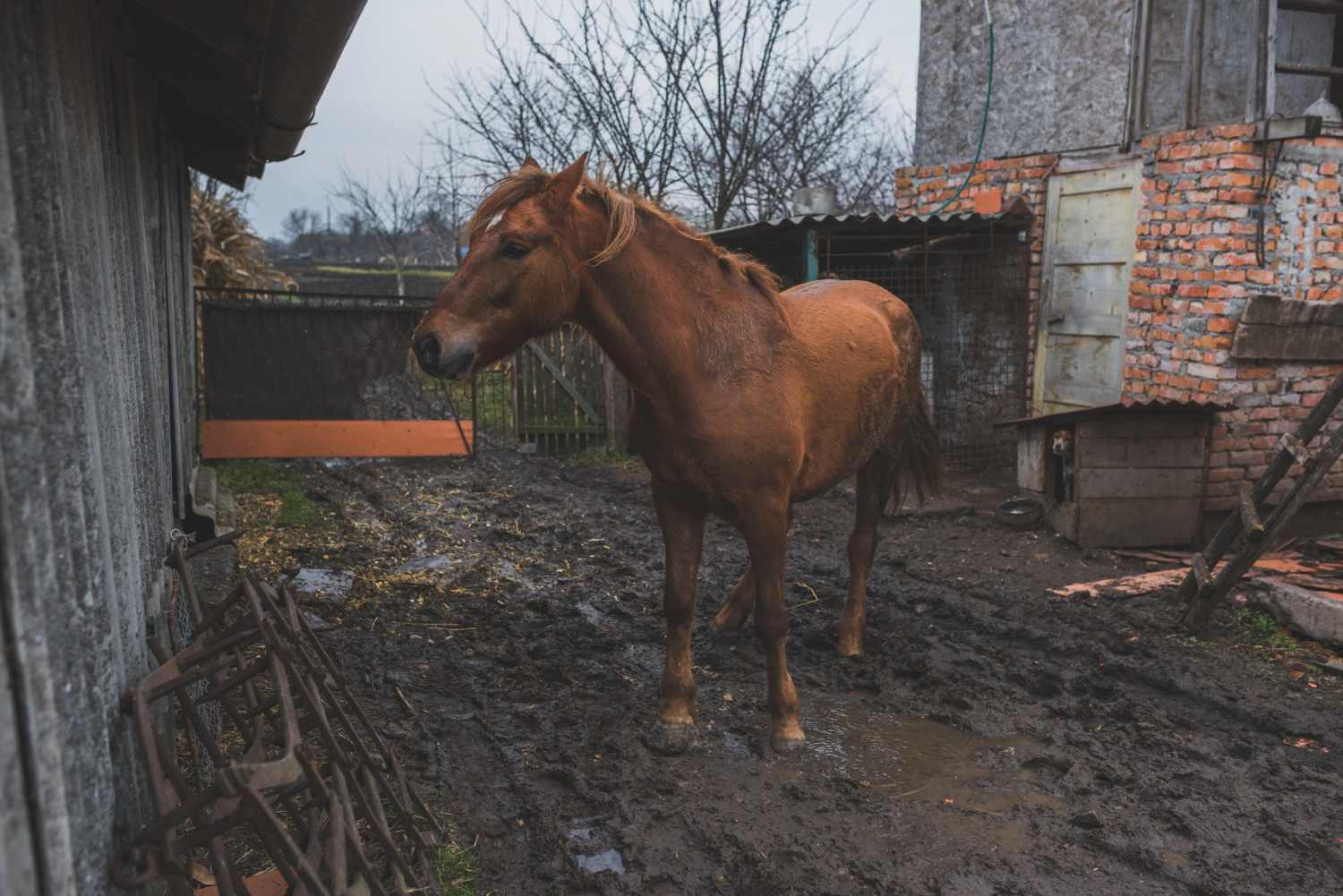
When these factors combine, the bacteria penetrate the outer skin layer and begin producing the inflammatory response that causes scab formation and hair loss. Pictures of rain rot in horses consistently show lesions in predictable locations (the back, rump, and face) because these areas receive the most direct rainfall and water runoff.
Note from the Med-Vet Pharmaceuticals Equine Health Advisory Team: Rain rot is frequently misidentified in its early stages as simple dandruff or minor skin irritation. The key visual indicator is the 'paintbrush' appearance (tufts of hair held together by crusty scab material), which is distinct from other skin conditions. When in doubt, a veterinarian can confirm the diagnosis microscopically from scab material.
Causes of Rain Rot in Horses
Understanding what creates the conditions for infection helps target both prevention and treatment more effectively.
Moisture and Environmental Exposure
Prolonged wet conditions are the primary driver. Excessive rain, high humidity, and muddy environments all compromise the skin layer that ordinarily keeps Dermatophilus congolensis in check. Horses that remain in damp conditions for extended periods are significantly more vulnerable than those with access to dry shelter and well-drained pastures.
Skin Damage and Bacterial Entry Points
Even minor breaks in the skin from insect bites, tack friction, or small abrasions can allow bacteria to penetrate beneath the surface. These entry points may appear insignificant, but they meaningfully reduce the skin's resistance to infection, particularly in wet conditions.
Poor Grooming and Contaminated Equipment
Rain rot spreads through direct contact and shared equipment. Brushes, blankets, and tack used across multiple horses can transfer Dermatophilus congolensis from an infected horse to healthy ones, particularly in a shared barn or pasture environment. Infrequent grooming also allows moisture, dirt, and bacteria to accumulate on the skin surface unchecked.
Compromised Immune and Skin Health
Horses under nutritional stress, facing environmental challenges, or with underlying health issues have reduced capacity to keep dormant bacteria in check. Nutritional imbalances, particularly deficiencies affecting skin barrier integrity, are a significant predisposing factor that is often overlooked.
Recognizing the Signs of Rain Rot
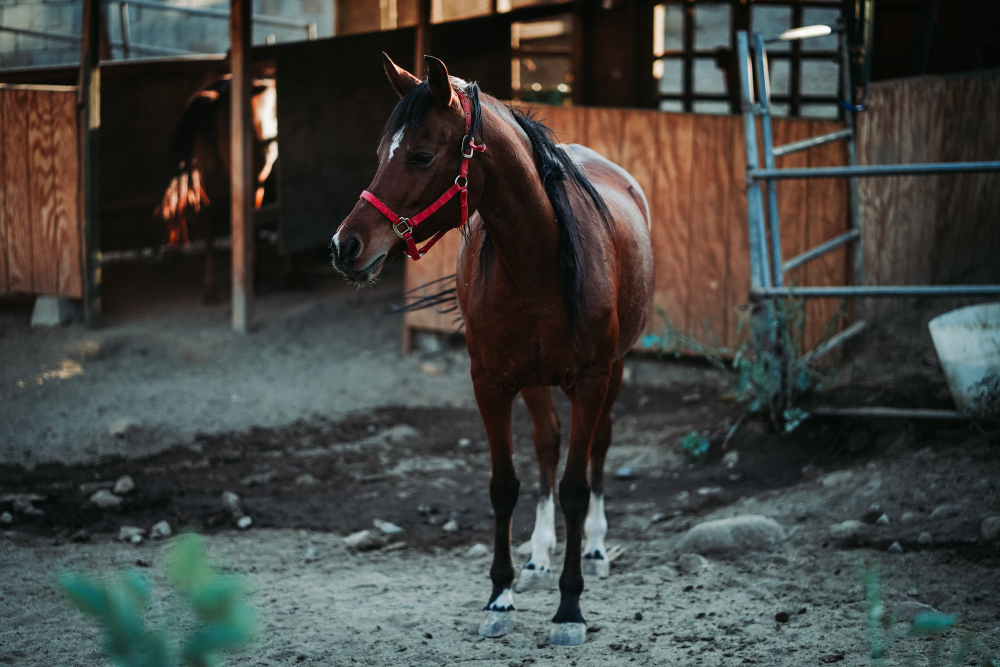
Early identification significantly improves treatment outcomes. The hallmark signs of rain rot include:
- Raised, crusty scabs that feel rough to the touch
- Hair tufts standing upright through the scabs (commonly described as a "paintbrush" appearance)
- Patchy hair loss once scabs separate from the skin surface
- Red, moist skin underneath that is typically tender to the touch
Some horses experience noticeable itchiness; others show no discomfort until the lesions are palpated. The back, rump, and face are most commonly affected, though in severe cases, lesions may spread to the legs and lower body. If the diagnosis is unclear or the condition is not responding to initial care, a veterinarian can confirm it microscopically using scab material.
How to Treat Rain Rot in Horses
Knowing how to treat rain rot in horses correctly is the difference between a condition that resolves in weeks and one that persists or worsens. Prompt treatment at the first signs of infection gives the best outcome.
Antibacterial Cleansing
Medicated antibacterial shampoos formulated for equine use are the foundation of treatment. Apply the shampoo to the affected areas, allow it to sit for several minutes to penetrate the scabs, then rinse thoroughly. Repeat as directed, typically every few days during active infection.
Scab Removal
Gently softening the scabs with warm water or medicated shampoo before attempting removal is essential. Pulling dry scabs away from the skin causes additional tissue damage and discomfort. Once softened, scabs can be carefully lifted. This step exposes the underlying skin and removes the material in which bacteria continue to thrive. Regular brushing after treatment promotes circulation and supports recovery.
Moisture Control
Keeping the horse dry during treatment is as important as the antibacterial care itself. Provide shelter during wet weather, ensure the coat is fully dried after washing, and avoid leaving blankets on a damp coat. Continued moisture exposure will undermine treatment regardless of how consistently the topical care is applied.
Veterinary Care for Severe or Persistent Cases
When infection is widespread, deeply embedded, or not responding to topical care, veterinary intervention is appropriate. Treatment may include systemic antibiotic therapy and a diagnostic workup to identify any underlying factors, such as immune compromise or nutritional deficiency, that may be making the horse more susceptible. These are the more comprehensive treatments for rain rot in horses when standard management is insufficient.
Prevention Strategies for Rain Rot in Horses
Prevention addresses the same risk factors as treatment, but the approach shifts from reactive to proactive.
Environmental Management
Since moisture is the primary trigger, controlling the horse's environment is the most impactful prevention step. This means providing access to run-in sheds or covered areas during wet weather, maintaining well-drained pastures, and ensuring stalled horses have dry, clean bedding. Avoid leaving wet blankets on horses for extended periods.
Grooming and Equipment Hygiene
Regular grooming allows early detection of developing lesions before they become established infections. Veterinary guidance consistently recommends using separate grooming tools for each horse where possible, disinfecting brushes and equipment regularly, and not sharing blankets between horses without thorough cleaning. These steps significantly reduce the risk of transmission within a shared herd.
Immune and Nutritional Support
Horses in good body condition with well-balanced nutrition are better equipped to resist opportunistic infections. Regular deworming, current vaccinations, and minimizing environmental stress all support immune function. From a nutritional standpoint, nutrients that support skin barrier integrity and immune resilience play a direct role in reducing susceptibility to conditions like rain rot, an area where targeted equine supplementation can make a meaningful difference.
Final Thoughts
Rain rot in horses is a manageable condition when it is caught early, treated correctly, and supported with the right preventive measures. By understanding the bacterial mechanism, keeping the skin dry, grooming consistently, and ensuring your horse's nutrition supports healthy skin and immune function, most cases resolve fully without lasting impact.
With over 40 years of experience developing equine health products, Med-Vet Pharmaceuticals understands how nutrition and skin health intersect in conditions like rain rot. Explore our complete range of equine supplements or contact us for personalized guidance on building a nutrition plan that supports your horse's skin and overall resilience.
Visit medvetpharm.com or call 833-809-4848.
FAQs
Q1. Is rain rot contagious?
Ans. Yes. It can spread between horses through shared grooming tools, blankets, or tack, and through direct contact, particularly in wet conditions where the bacteria transfer more easily.
Q2. How long does rain rot take to heal?
Ans. Mild cases treated promptly typically clear within two to four weeks with consistent antibacterial care and moisture control. Severe or neglected cases may take longer and may require veterinary intervention.
Q3. Does rain rot occur in dry climates?
Ans. It is less common in arid environments but can still occur if the skin barrier is compromised; for example, through insect bites, tack irritation, or prolonged sweating under blankets.
When should I call a veterinarian?
Ans. Contact a veterinarian if the infection is spreading rapidly, not responding to topical treatment within one to two weeks, or if the horse appears systemically unwell. Early professional evaluation prevents more difficult-to-treat cases from developing.
