
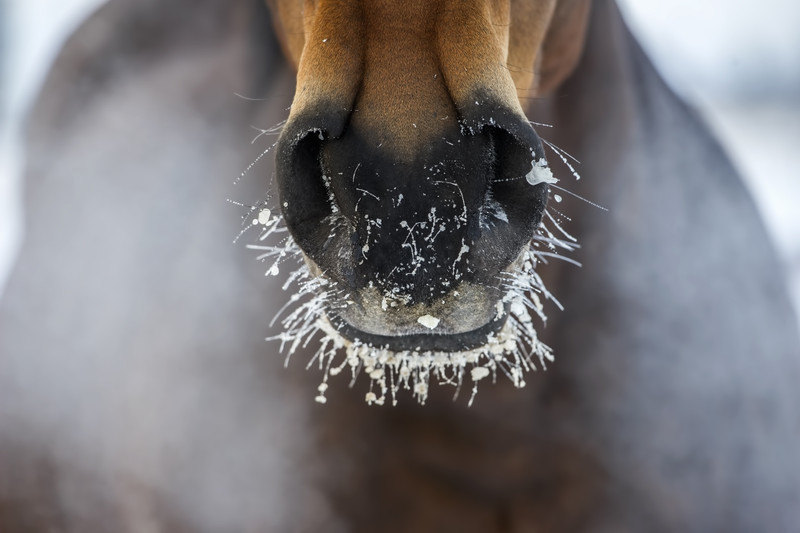
The onset of cold winter weather brings many challenges in horse ownership. We’re addressing 3 of most common winter gastric health concerns for horses and what you can do to help keep your horse healthy and your winter stress free.
Dehydration & Colic
It’s common to be concerned about dehydration in the summer, but keeping your horse hydrated when it’s cold outside can be a challenge too. When the temperatures drop, so does your horse’s desire to drink. In addition, cold weather can lead to frozen pipes, buckets, and stock tanks and as a result restricting your horse’s water source.
Dehydration can have serious consequences on your horse’s health including increased risk of colic. Dehydration means less water in the GI tract. As a result, food particles may have a harder time passing through their system and can cause impactions, most often in the large intestine.
It can be a challenge to track how much water your horse is drinking daily with automatic waterers and even stock tanks. To avoid dehydration, it is important to know the early warning signs before they become a bigger problem.
Signs of Dehydration:
- Pinch Test: Pinch skin on a horse’s neck/shoulder, take note of how quickly it springs back. If dehydration is present, skin will stay elevated for a few seconds.
- Eyes and Gums: Check for wrinkled eyelids along with dull/glazed eyes. Look for dark red gums and mucous membranes of the nose and mouth.
- Behavior: Check for sluggish, lethargic, or depressed behavior. Also check for shallow panting and/or body temperature exceeding 102 degrees.
Be sure your horse always has access to fresh, clean water always, day and night. If you have automatic, heated waterers, check them regularly for free-flowing water. If possible, try to give your horse warmer water. Horses tend to drink more water in colder weather if the water is warm. You can also add 1-2 ounces of salt to feed daily or utilize an electrolyte such as MVP’s Electro-Cell II paste to help encourage water consumption.
Weight Loss
While winter often brings decreased activity for your horse, they are still burning a significant amount of calories to stay warm in colder temps. It is important to maintain your horse’s weight throughout the winter and often increase their caloric intake to meet their needs. Long winter coats or blankets can hide weight loss, so it is a good idea to periodically feel their ribs to make sure they are holding their weight.
Some horse owners will reach for the grain to increase their horse’s caloric intake, however adding large and sudden quantities of grain can increase your horse’s risk of colic. The simple act of hay digestion generates heat within the horse’s body. Horses should receive 1.5-2% of their body weight in forage. 24/7 access to clean, free-choice hay is especially crucial during frigid temps. It’s also important to understand in some cases a calorie deficit is due to the quality of feed consumed rather than the amount, so invest in quality forage. Slow-feed hay nets can also help to create a grazing environment and lengthen feeding time.
Weight loss can be particularly challenging for senior horses in the winter. As they get older, their digestive systems start to function less productively, and their dental health may be compromised. Always consult with your vet on your horse’s weight loss, regardless of age, to rule out medical reasons and help investigate other factors that may contribute to your horse’s weight. Teeth play a big role in proper digestion, absorption of nutrients, and weight maintenance.
Loose Stool
Loose stool can occur at any time, but it can be particularly frustrating in winter. Diarrhea can develop due to infection, diet changes, stress, or other factors. The first step is to consult your vet to rule out serious health concerns that may need immediate attention.
Sudden diet changes can also trigger loose stool. Gradual transitions in hay or concentrates allow the hindgut to adjust and reduce incomplete fermentation. Feeding large quantities of starch- or sugar-rich concentrates in smaller, more frequent meals can help maintain digestive balance. Slow-feed hay nets are another way to gradually introduce hay and minimize digestive upset.
Some horses develop fecal water syndrome, a condition where water separates from the solid portion of the manure, often leading to wet tails or hindquarters. While the cause isn’t fully understood, it can be managed by ensuring consistent feeding routines, maintaining high-quality forage, and supporting gut health with a gastric supplement.
Environmental stress can also contribute to loose stool. Sudden confinement due to inclement weather, temperature shifts, or changes in turnout routines can affect gut function. Unrestricted movement and access to shelter help promote normal digestive activity. Products like Gastro-Plex™ paste can provide immediate support for your horse’s digestive system during stressful events or sudden changes.
Provide Additional Digestive Support through a Daily Gastric Supplement
A gastric health supplement helps allow the body, specifically the digestive tract to better manage stress, changes in your horse’s diet or environment, and fluctuations in the pH and microbial population within the gut. As a result, this helps the stomach to face changes more smoothly with a lesser concern of digestive issues, especially in the winter months.
Gastro-Plex™ pellets offer a comprehensive solution for your horse’s digestive and gastric health. This advanced formula combines probiotics, prebiotics, herbal ingredients, antioxidants, and Levucell® SC yeast, which is clinically researched to support the hindgut and help reduce the risk of colic and digestive disorders. Unlike quick-fix antacids, Gastro-Plex™ promotes healthy stomach tissue lining, supporting long-term gut integrity and overall digestive health.
