
When we think about gut health, we often focus on digestion. But one of the most important roles of the digestive system isn’t just breaking down feed, it’s acting as a barrier.
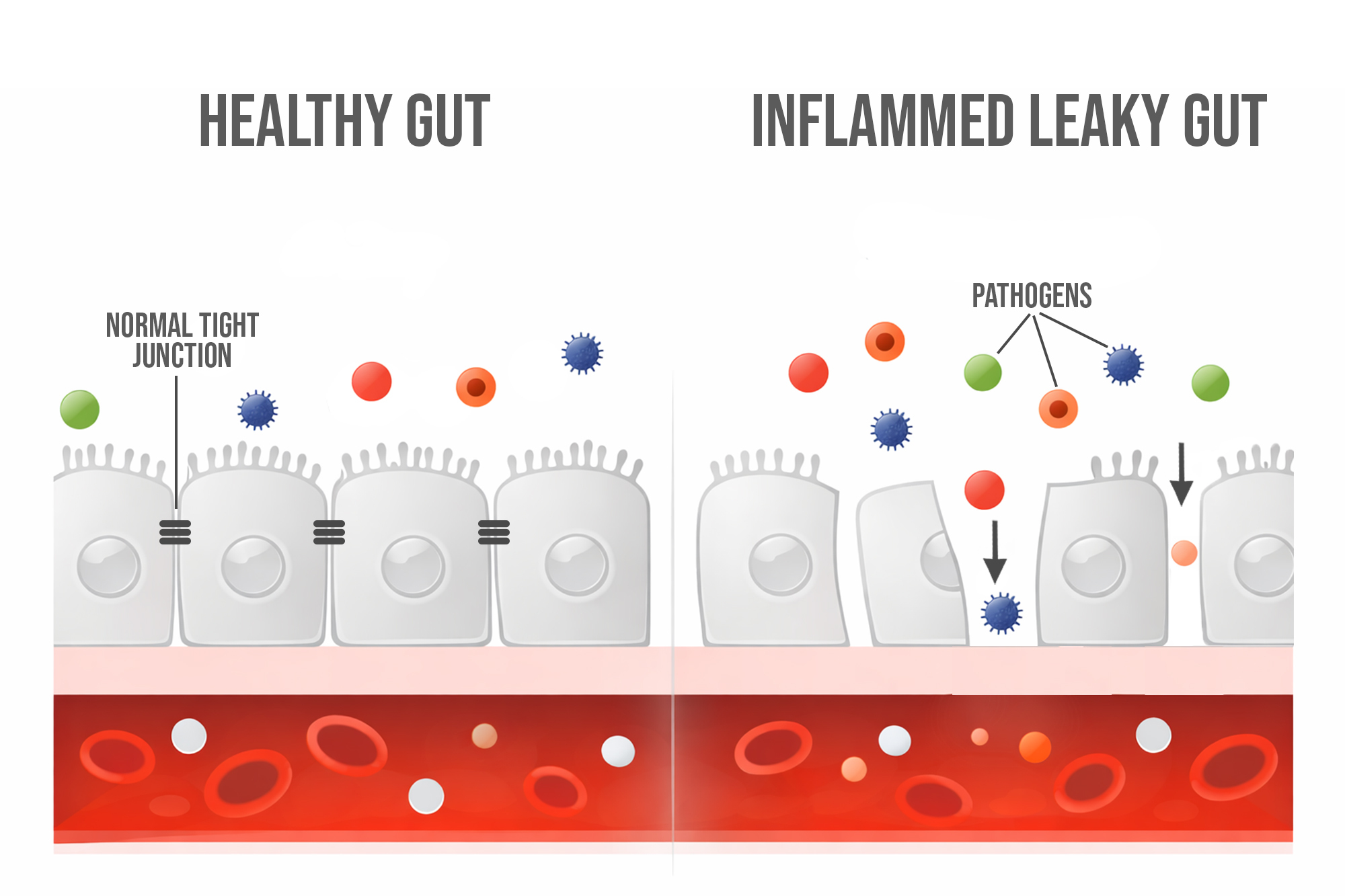
Inside your horse’s digestive tract is a highly controlled environment designed to let nutrients in while keeping harmful substances out. This protective layer, known as the gut barrier, is made up of multiple components working together. A mucus layer helps protect the surface of the intestinal lining, while tiny, hair-like structures called villi absorb nutrients into the bloodstream. Beneath this, tightly connected intestinal cells are held together by structures called tight junctions, which act like seals to regulate what passes through the gut wall.
When this system is functioning properly, it allows nutrients to pass through while keeping toxins, bacteria, and unwanted compounds contained within the digestive tract. However, when the barrier becomes compromised, these tight junctions begin to loosen. Instead of acting as a selective filter, the gut becomes more permeable, allowing undigested particles, toxins, and microbes to pass through the intestinal wall. Once inside the body, these substances are recognized as foreign, triggering an immune response and contributing to inflammation. Over time, this can lead to continued disruption of both the gut environment and overall health.
When the gut barrier is disrupted, the effects are not always immediate or obvious. In many cases, the signs are subtle and often mistaken for unrelated issues. This may look like:
- Recurrent or low-grade colic
- Loose stool or inconsistent manure
- Difficulty maintaining weight or topline
- Increased sensitivity to stress or environmental changes
- Changes in attitude, behavior, or performance
Because the gut plays a central role in both digestion and immune function, these signs can overlap with a wide range of conditions. In many cases, the underlying issue is not a single cause, but a disruption in gut integrity and microbial balance.
What Influences the Gut Barrier
The integrity of the gut barrier is constantly influenced by a horse’s environment, diet, and daily stress. Factors such as travel, training, sudden dietary changes, high-starch feeding, medications like antibiotics, and poor-quality forage can all impact the balance of the microbiome.
The microbiome plays a critical role not only in digestion, but in maintaining the structure and function of the gut itself. Beneficial microbes support the production of short-chain fatty acids, help maintain proper pH, reinforce the intestinal lining, and compete with harmful bacteria. When microbial balance is disrupted, the gut barrier is often affected as a result.
Supporting the Gut Barrier
Supporting gut health means supporting both the microbiome and the integrity of the gut lining. This starts with consistent access to forage, gradual dietary changes, and managing stress wherever possible. Targeted nutritional support can also play a role. Prebiotics, probiotics, and postbiotics work together to support microbial balance and reinforce the gut environment by feeding beneficial microbes, introducing desirable organisms, and supporting the byproducts that help maintain gut structure.
When these systems are supported together, the gut is better able to function as a selective barrier, helping maintain digestive consistency, immune balance, and overall health.
Ingredients to Look For:
- Saccharomyces Boulardii CNCM I-1079
A microencapsulated live yeast that helps support microbial balance and plays a role in maintaining tight junction integrity along the intestinal lining, helping reinforce the gut barrier during times of stress. - Saccharomyces Cerevisiae CNCM I-1077
A microencapsulated live yeast that supports a diverse microbial population and helps maintain proper digestive pH, contributing to a more stable hindgut environment. - Yeast Cell Wall Components (Agrimos)
Provide beta-glucans and mannans, which help support microbial balance and interact with immune cells within the gut.- Beta-glucans help regulate immune response and support normal immune function.
- Mannans (MOS) help bind undesirable pathogens and prevent them from attaching to the intestinal lining.
- Bacillus subtilis & Bacillus licheniformis
Spore-forming probiotics that help populate the gut with beneficial microbes and support overall microbial stability.
Together, these ingredients support the microbiome and help reinforce the gut barrier, allowing it to function as intended.
