
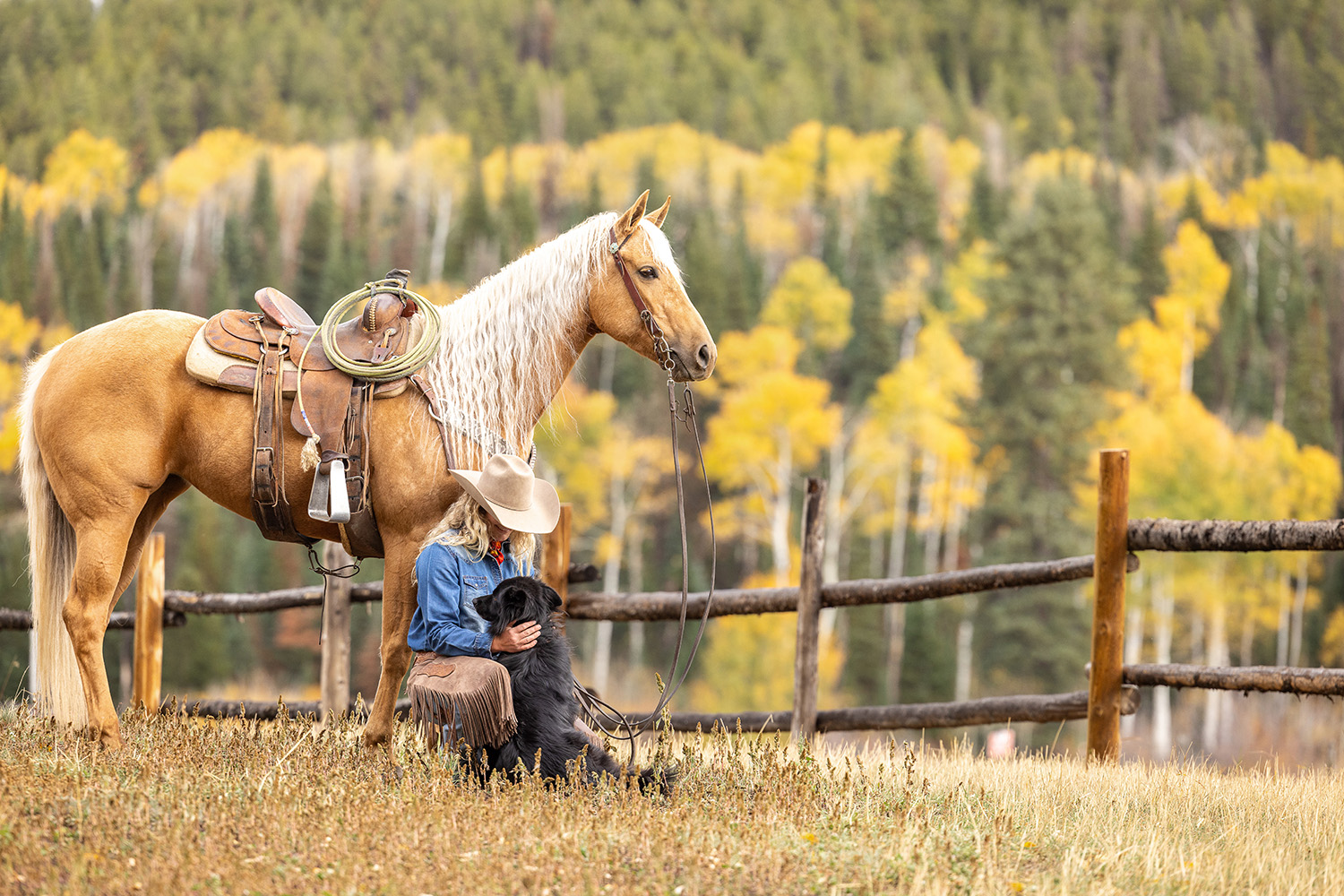
As the seasons change, so does your horse’s environment.
Fall can bring cooler temperatures, changing pollen levels, dry conditions and more time spent indoors. For horses sensitive to environmental irritants, these changes can make respiratory health more challenging to manage.
Understanding what changes with the season can help you make informed decisions about your horse’s environment and daily care.
Why Fall Can Be Different
Respiratory irritants can come from a variety of sources, including pollen, dust, mold spores and other particles in the air. As fall arrives, exposure can shift in several ways.
Changing pollen levels
As summer grasses and plants transition and fall plants become more prominent, the types and levels of airborne pollen can change.
Dry, dusty conditions
Fall weather can bring dry conditions that increase dust around pastures, arenas, roads and barns. Hay and bedding can also be significant sources of airborne particles.
More time indoors
Cooler weather often means more time in stalls. In an enclosed environment, dust and other airborne particles can accumulate, particularly when ventilation is limited.
Hay becomes more important
As horses transition from pasture to increased hay consumption, the quality and cleanliness of that hay becomes especially important. Dusty or moldy hay can contribute to increased exposure to respiratory irritants.
Look Beyond the Pollen
When a horse seems more sensitive during seasonal changes, pollen isn't always the only factor to consider.
Take a closer look at the entire respiratory environment:
-
Is hay clean and well stored?
-
Is there visible dust around feeding areas?
-
Is the barn adequately ventilated?
-
How dusty is the arena or turnout area?
-
Does cleaning the stall create a cloud of dust?
-
Has your horse's time indoors increased?
Small changes to the environment can help reduce unnecessary exposure to airborne irritants.
How to Help Reduce Irritants
You can't control every environmental factor, but you can control many of the conditions around your horse.
Prioritize ventilation. Good airflow helps reduce the concentration of airborne particles in enclosed spaces.
Pay attention to hay. Avoid visibly moldy hay and consider strategies such as soaking or steaming when appropriate to your horse's management program.
Minimize dust. Consider the timing and method of stall cleaning, feeding and other activities that can stir up dust.
Evaluate riding conditions. Dry arena footing and dusty environments can increase airborne particles during exercise.
Watch seasonal patterns. If your horse consistently shows changes during a particular time of year, keep track of environmental conditions and discuss the pattern with your veterinarian.
When Seasonal Changes Aren't Just Seasonal
It's easy to assume that coughing or other respiratory changes are simply the result of allergies or changing weather. But respiratory symptoms can have many causes.
Persistent coughing, nasal discharge, increased respiratory effort, poor exercise tolerance or other noticeable changes should be discussed with your veterinarian. Identifying the underlying cause is important for determining appropriate management and treatment.
Even when seasonal changes are part of the picture, there are steps you can take to help reduce your horse’s exposure to respiratory irritants. Good ventilation, clean good-quality hay, and minimizing dust can all help create a healthier respiratory environment.
You can’t control everything in the air your horse breathes, but paying attention to the environment and making small changes where you can is a practical way to support respiratory health through the changing seasons.
